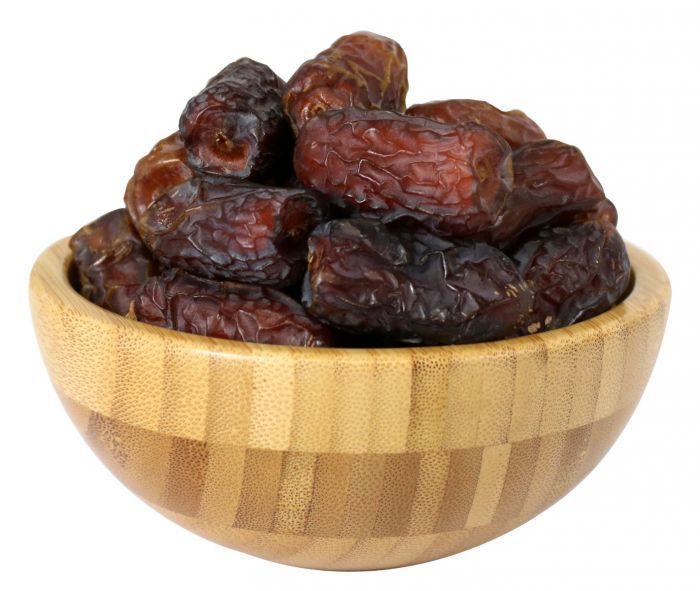
In the diverse world of dates, kurma Mariami has carved out a special place among health-conscious consumers and suppliers alike. With its balanced sweetness, soft texture, and solid nutritional profile, this variety offers something that sets it apart from other dates. What exactly makes it appealing to wellness-focused buyers, and how does it stack up against other popular varieties? See the full range of kurma varieties for context on where Mariami fits.
The rise of kurma Mariami in health circles
Unlike some overly sweet date varieties, Mariami strikes a balance with its mild caramel-like flavor and tender, almost creamy texture. This makes it a snack for those seeking natural sweetness without overwhelming sugariness. Nutritionists often recommend it as an alternative to refined sugars for athletes and anyone following clean-eating lifestyles.
Nutritional benefits that stand out
What makes Mariami dates shine is their nutrient density. Packed with dietary fiber, it supports digestion and promotes lasting fullness — a factor for weight-conscious consumers. Its natural sugars provide quick energy, while minerals like potassium and magnesium support normal muscle function. Compared to some darker date varieties, it has a slightly lower glycemic index, making it a popular pick with buyers watching their sugar intake.
Texture and versatility in culinary use
One of kurma Mariami’s strongest selling points is its adaptable texture. While some dates can be sticky or overly firm, this variety maintains a pleasant softness that works well in both raw and cooked applications. Health-focused consumers blend it into smoothies, chop it into energy bars, or use it as a natural sweetener in baked goods. For suppliers, this versatility means broader market appeal across different consumer needs.
How it compares to other popular varieties
Placed side-by-side with other common dates, Mariami holds its own. Unlike the intensely sweet Medjool or the fibrous Deglet Noor, it offers a middle ground — enough sweetness to satisfy cravings but with a cleaner aftertaste. Its moisture content is higher than some commercial varieties, giving it a fresher mouthfeel that appeals to premium buyers. For suppliers, this positions it as a “gateway” date for customers new to premium varieties, alongside options like kurma Ajwa for buyers who want something more intense.

Market trends and consumer demand
The shift toward healthier snacking options has boosted demand for kurma Mariami. Fitness enthusiasts use it as a pre-workout snack, parents favor it as a lunchbox item, and gourmet chefs value its consistent quality for desserts and sauces. Suppliers report steady year-round sales with predictable spikes during holiday seasons and Ramadan, when gift-giving increases.
Sourcing and quality considerations
For suppliers, understanding kurma Mariami’s ideal growing conditions helps with purchasing decisions. The best specimens come from regions with hot days and cool nights, which develop the date’s flavor balance. Unlike some mass-produced varieties, authentic kurma Mariami often shows slight size variations and a natural matte finish — signs of minimal processing. Educating buyers about these quality markers can justify premium pricing.
Storage and shelf life
One practical benefit for suppliers is kurma Mariami’s keeping quality. Stored properly in cool, dry conditions, it holds its texture and flavor far longer than many fresh fruits. This reduces waste and allows for flexible inventory management, which matters in today’s fluctuating supply chains.
Packaging and presentation
Health-conscious consumers respond well to transparent, minimalist packaging that highlights the dates’ natural qualities. Eco-friendly pouches or boxes that emphasize purity and lack of additives work well here. Including brief nutritional information or serving suggestions on packaging can further this appeal.
Why suppliers should take notice
Stocking kurma Mariami is a reasonable move for suppliers looking to diversify. It taps into clean eating and mindful snacking trends. It may not have the name recognition of flashier varieties, but its loyal following and repeat purchase rate make it a reliable product with healthy margins.
Final thoughts
Kurma Mariami’s rise reflects a broader shift in how consumers approach food — valuing nutrition alongside taste. For suppliers, this variety offers a mix of solid nutrition and steady market demand. Its balanced sweetness, nutrient content, and culinary flexibility make it worth stocking for buyers looking for more than another sweet snack.